
 hrvatski


WHO?
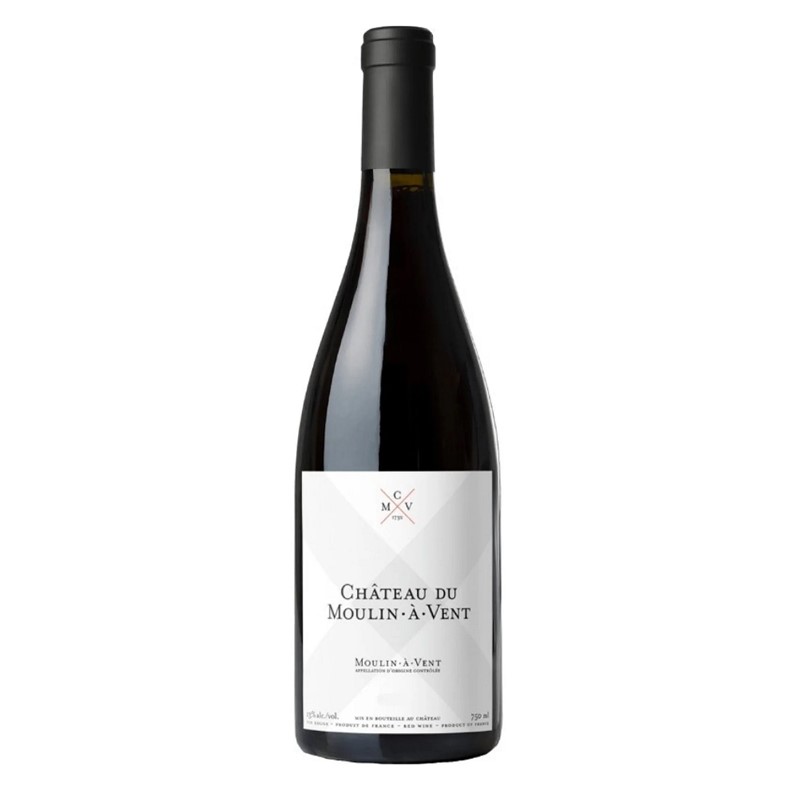
The history of Château du Moulin-à-Vent dates back to 1732 when it was previously known as Château des Thorins. Both the Château and Beaujolais Cru take their name from the area’s emblematic windmill, built in 1550 and still standing today. In 2009, Jean-Jacques Parinet purchased the estate and, along with his son Edouard, began replanting 70,000 vines, moved to sustainable viticulture and invested in new French oak barrels in the cellar. In the 19th Century, a barrel of Moulin-à-Vent sold for more than a barrel of Chambertin, while in 1932, it was more affordable to purchase vines in ‘Clos de Tart’ than Moulin-à-Vent’s ‘Les Thorins’!
WHERE?
Beaujolais has experienced a turbulent history since then, yet thanks to a quality revolution in the 21st Century, the appellation is once again thriving today. As such, after tasting Chateau’s 1976 wine, Andy Howard MW (Decanter), rightfully muses on its potential to be ‘considered alongside the finest Pinot Noir wines from a little further to the North’. Most recently, Moulin-à-Vent has filed to classify 14 of its 69 lieux-dits as 1er Cru sites. Château du Moulin-à-Vent are proud to own vineyards on eight of these (representing 80% of their vineyard holdings), including the single vineyards ‘La Rochelle’ and ‘Champ de Cour’.
WHY?
Moulin-à-Vent remains one of the most coveted Beaujolais Crus, leading the charge in repositing Cru Beaujolais as fine, age-worthy wines. The Gamay for this wine hails from three famed plots, including the iconic ‘Les Thorins’ (once more expensive to buy land here than in Clos de Tart!). The vines are Gobelet trained on wires ‘en éventail’ (in a fan shape), allowing trellising and better canopy management, and are on average 50 years old. The vineyards are farmed following both organic and biodynamic practices and will be officially certified organic from the 2024 vintage. Aromatic and full of cherry and blueberry notes, this plush red shows why this appellation is so highly prized.
| Vintage | |
|---|---|
| Country | |
| Region | |
| Variety | |
| Winery | |
| Type of wine | |
| Volume | 0.75L |
| Residual sugar | Dry |
| Alcohol | 13% vol. |
Related products


